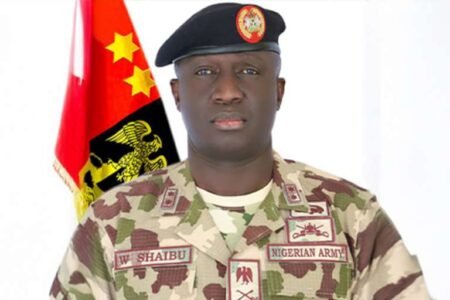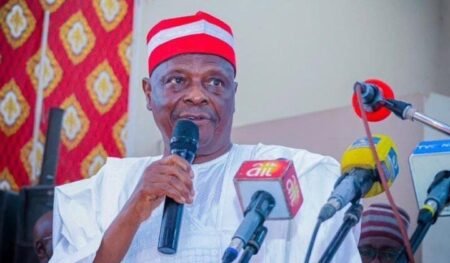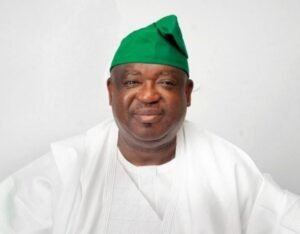


Aminu Gwarzo, the Deputy Governor of Kano State, has petitioned the United States Congress to remove the name of Senator Rabiu Kwankwaso from a proposed bill seeking sanctions for alleged religious persecution.
The planned Nigeria Religious Freedom and Accountability Act of 2026, sponsored by US Representatives Riley Moore and Chris Smith, reportedly seeks sanctions against Fulani militias and names Kwankwaso among those accused of alleged religious persecution.
The deputy governor’s press secretary, Ibrahim Shuaibu, issued a statement on Thursday calling the charges against the former presidential candidate “unfounded, misleading, and inconsistent with the verifiable public record of his life and service.”
Kwankwaso, a former presidential candidate, has held various high-level political roles over the last three decades, including Deputy Speaker of the House of Representatives, two-term Governor of Kano State, Minister of Defense, and Senator.
“At no time has he been indicted, prosecuted, or credibly accused of religious persecution, extremism, or human rights violations,” Gwarzo stated.
He challenged those making the allegations to identify the “real perpetrators” rather than smear a leader who, he claims, has continuously condemned violence, extremism, and terrorism.
The statement went on to say that Kwankwaso engaged in meaningful dialogue with Christian leaders and minority communities throughout his tenure in government, promoting peaceful coexistence.
It also cited his 2023 presidential campaign with Bishop Isaac Idahosa, a Catholic bishop, as proof of his dedication to religious diversity and national balance.
The deputy governor urged US senators to “reject this recommendation outright” and take Kwankwaso’s name from the draft legislation.
He speculated that the inclusion of the previous governor in the bill could have been pushed by persons looking to settle personal scores or political rivals.
“Kwankwaso remains a nationalist, a democrat, and a statesman whose public service has been anchored on justice, unity, and inclusive governance,” the statement added.