

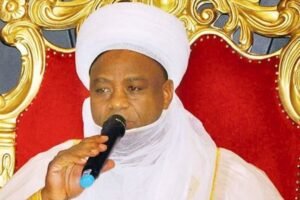



Peter Obi, the Labour Party’s presidential candidate for the 2023 election, has cautioned that the conviction of Indigenous People of Biafra (IPOB) leader Nnamdi Kanu could exacerbate security tensions in the country.
Obi stated in a message posted on his X account on Saturday that the decision has the potential to exacerbate rather than alleviate national tensions.
He stated that the news of Kanu’s conviction should encourage Nigerians to consider seriously, particularly “at a time like this,” when the country is dealing with economic hardship and growing insecurity.
Obi claimed that Kanu’s arrest and detention were avoidable, stating that the entire episode demonstrated leadership failure and a misunderstanding of the main concerns.
According to him, Kanu’s problems were not new nor hard to overcome but required “wisdom, empathy, and genuine engagement.”
He criticized the government for using force rather than pursuing conversation or changes. “Coercion is required only when reason has been exhausted. In this case, reason was not thoroughly investigated, if at all,” he stated.
Calling for calm, Obi encouraged the presidency, the Council of State, and respected leaders to intercede and strive toward long-term peace.
He emphasized the need for “healing over hostility, reconciliation over retaliation, and dialogue over division,” expressing hope that peace would eventually prevail if Nigeria embraces justice, fairness, and compassion.
The Federal High Court in Abuja convicted Kanu on all seven terrorism-related charges brought against him. Justice James Omotosho sentenced him to life imprisonment on counts one, two, four, five, and six—opting against the death penalty.
He also sentenced him to 20 years in jail on count three, which amounted to membership in a prohibited terrorist organization, and five years on item seven, which involved the illegal importation of a radio transmitter. Both sentences have no option of fine.
The charges resulted from Kanu’s secessionist efforts, claimed acts of terrorism, the assassination of security personnel, the destruction of public property, and the running of Radio Biafra.
The court ruled that his recorded threats and sit-at-home orders in the Southeast constituted acts of terrorism under Nigerian legislation.