



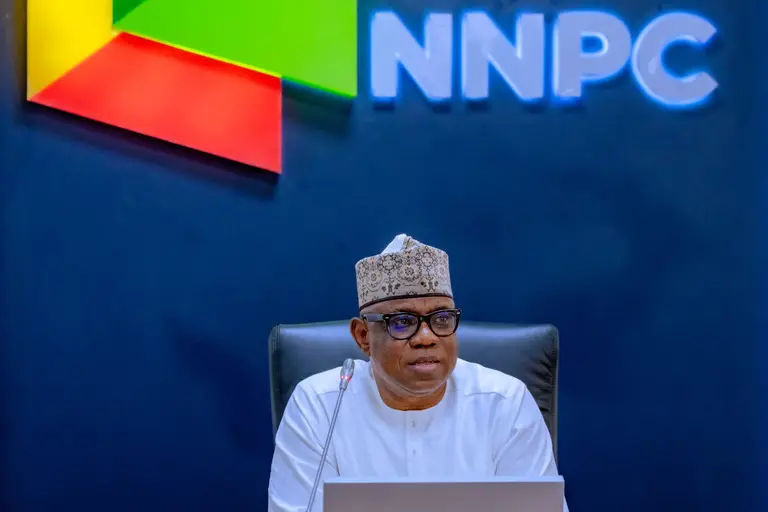
Mr Bayo Ojulari, Group Chief Executive Officer of Nigerian National Petroleum Company Limited, (NNPC) has praised the Dangote Petroleum Refinery as a critical stabiliser of Nigeria’s energy system, despite the state-owned oil company’s challenges in operating its government-owned refineries and meeting domestic fuel demand.
Ojulari, speaking during a fireside chat titled “Securing Nigeria’s Energy Future” at the Nigeria International Energy Summit 2026 on Wednesday in Abuja, stated that the presence of a functional local refinery provided NNPC with much-needed “breathing space” amid intense pressure to maintain fuel supply continuity.
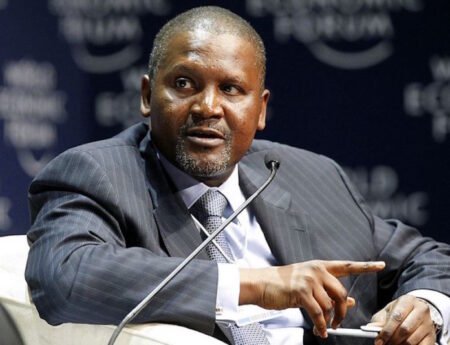
He mentioned that the Dangote Refinery has been a major relief for Nigeria’s fuel supply, urging Nigerians to appreciate its impact regardless of personal views about its owner, noting that the plant’s operations had drawn applause from participants at the event.
“Thank God for Dangote Refinery. Thank God. Whether you love Dangote, you hate him, say whatever you want to say, Nigerians should thank God for Dangote,” Ojulari said, drawing applause from the audience.
According to him, the start-up of the 650,000 barrels-per-day refinery was a significant relief for Nigeria at a time when legacy state-owned refineries were still failing to perform at scale.
Ojulari emphasized that, in addition to capacity, local ownership of the refinery was critical to national energy security.
“Thank God he’s a Nigerian. He’s not someone from another continent or another planet. Despite everything, that gave us an opportunity because we have a refinery that is working,” he said.
While recognizing that the refinery does not yet cover all of Nigeria’s domestic fuel demand, the NNPC CEO stated that its activities had greatly decreased supply chain risk.
“Yes, it may not meet our full needs, but it gives us a breathing space. And luckily, we are shareholders in that refinery as well,” he noted.
Ojulari’s comments represent a significant reversal from years of animosity between NNPC and the Dangote Group, which had previously clashed over matters ranging from crude supply terms and regulatory permissions to pricing and market domination worries.
Under previous leadership, the relationship was frequently marked by public conflicts and mutual suspicion, with Dangote accusing state institutions of impeding the refinery project. At the same time, regulators insisted on upholding market and quality requirements.
However, Ojulari stated that the current NNPC administration has taken a more pragmatic approach, based on partnership rather than confrontation.
“So we said, ‘What’s the hurry? We have a refinery that is working. It’s not owned by NNPC, but it’s a Nigerian refinery, built in Nigeria, working in Nigeria,” he said.
He said that NNPC has subsequently worked directly with Dangote to build a framework for cooperation in accordance with the Petroleum Industry Act.
“Our strategy is to collaborate with the Dangote Refinery and maximize the value delivered to Nigerians.
“That was our first strategy. We had a meeting with Alhaji Dangote, explained our institutional responsibilities, and agreed on the pathway towards deeper collaboration while maintaining our role as NNPC,” Ojulari explained.