




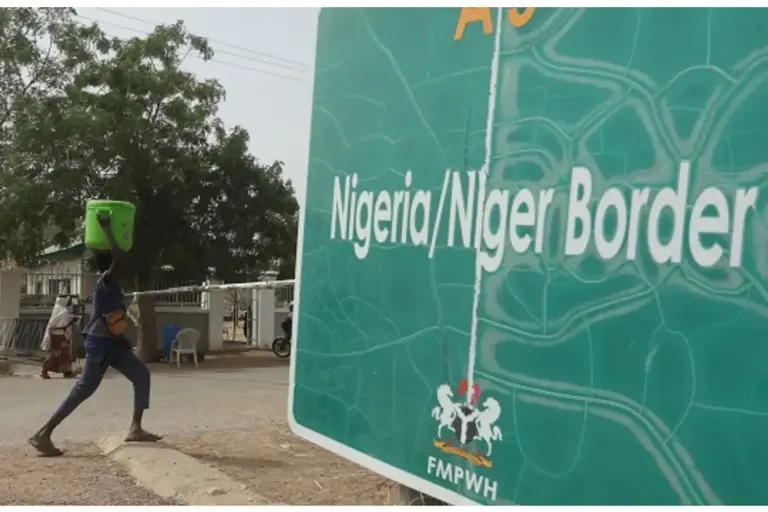
Violent campaigns by al-Qaeda-linked Jama’at Nusrat al-Islam wal-Muslimin (JNIM) and Islamic State Sahel Province (ISSP) have intensified sharply across the border triangle linking Benin, Niger and north-west Nigeria, according to new data from the Armed Conflict Location & Event Data Project (ACLED).
Analysts comparing 2024 and 2025 figures found that conflict-related fatalities in the tri-border region surged by 262 per cent. Violent incidents across parts of Benin, Niger and Nigeria’s Sokoto, Kebbi, Niger and Kwara states rose by 86 per cent.
Héni Nsaibia, ACLED’s senior West Africa analyst, said militant threats have “taken on new dimensions” as groups expand their territorial footprint and refine strategic messaging.
Between June and November 2025, JNIM publicly claimed attacks in Basso, Wara, Nuku and Karunji along the Benin–Nigeria frontier — among its first overtly claimed operations inside Nigeria.
ISSP followed suit in December and February, formally claiming attacks in Goubey and Birni N’Konni along the Niger–Nigeria border. Previously, such incidents had been attributed to Lakurawa militants.
ACLED warned that weak border controls and limited state presence exacerbated after several Sahelian countries withdrew from ECOWAS have strained regional security coordination.
US Air Strikes Shift Focus
In December, the United States carried out precision strikes on two ISSP enclaves in Sokoto with Abuja’s approval. ACLED said the move signalled Washington’s intent to prevent the group’s southward expansion towards coastal West Africa.
The report also linked the strikes to ISSP’s October kidnapping of US missionary and pilot Kevin Rideout in Niamey.
With Western forces largely expelled from central Sahel states under the Alliance of Sahelian States, cooperation with Nigeria offers the US continued regional access to monitor and pressure jihadist networks.