





Iran has insisted it is not seeking a ceasefire, even as fresh explosions shook Tehran and tensions intensified around the strategic Strait of Hormuz.
The conflict, which erupted after the Donald Trump-backed US–Israeli strikes on February 28 that killed Iran’s supreme leader Ali Khamenei, has rapidly spread across the Middle East, rattling global energy markets.
Iran warned on Tuesday that no crude oil would leave the Gulf if the bombardment continued, raising fears of a major disruption to global energy supplies.
Iranian parliament speaker Bagher Ghalibaf said Tehran had no interest in halting the conflict.
“Certainly we aren’t seeking a ceasefire,” Ghalibaf wrote in an English-language post on X.
“We believe the aggressor must be punished and taught a lesson that will deter them from attacking Iran again.”
The Pentagon earlier confirmed that Tuesday would see its most intense wave of strikes yet inside Iran.
US Defense Secretary Pete Hegseth said the operation would involve “the most fighters and the most bombers” deployed since the war began.
Strait of Hormuz crisis deepens
The crisis has centred on the Strait of Hormuz, a vital shipping lane through which around a quarter of the world’s seaborne oil and a fifth of global LNG normally pass.
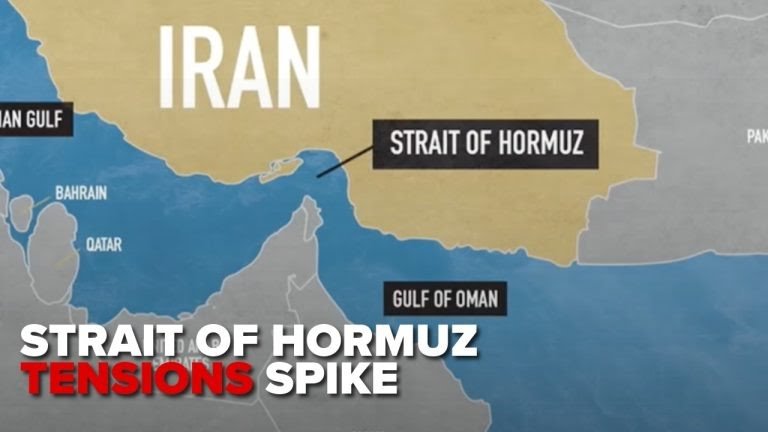
Iranian attacks on shipping have already forced the waterway to close.
Trump warned Tehran against placing mines in the strait.
“If for any reason mines were placed, and they are not removed forthwith, the military consequences to Iran will be at a level never seen before,” he wrote on Truth Social.
US intelligence cited by CNN reported that Iran had begun laying explosives in the channel.
Explosions and missile strikes
Two rounds of explosions rocked Tehran on Tuesday evening, AFP journalists reported, though the targets were not immediately clear.
Residents described the strikes as terrifying despite the apparent focus on strategic sites.
“The noise of the bombings is extremely disturbing,” one woman in her forties said.
Iran’s Revolutionary Guards later announced a fresh missile barrage against Israeli cities and US targets in the region.
Explosions were also heard in Manama, the capital of Bahrain.
The Pentagon said about 140 US military personnel had been wounded since the conflict began, with seven deaths confirmed.
Energy infrastructure under threat
Energy facilities across the Gulf are increasingly at risk.
The UAE’s largest refinery at Ruwais was shut down as a precaution after a drone strike sparked a fire at the industrial complex.
Meanwhile, attacks on infrastructure in Qatar have disrupted LNG exports, pushing European gas prices sharply higher.
Saudi Aramco CEO Amin H. Nasser warned the situation could have severe global consequences.
“It’s absolutely critical that shipping resumes in the Strait of Hormuz,” he said.
Global economic fears grow
The United Nations warned the closure of the strait could drive up the cost of essentials worldwide, particularly fuel and food.
In Cairo, where fuel prices have surged, residents say the impact is already being felt.
“We were barely getting by as it is,” said Om Mohamed, a mother of six. “I don’t know how people will manage.”
Market analysts say the outlook remains extremely uncertain as investors react sharply to each development in the escalating crisis.