


The federal government has expressed worry that between 12 million to 14 million Nigerians have glaucoma, a primary cause of permanent blindness, with the majority ignorant of their condition.
Dr. Iziaq Adekunle Salako, Minister of State for Health and Social Welfare, made the announcement on Wednesday during a news briefing in Abuja to commemorate 2026 World Glaucoma Week, citing the eye condition as a critical public health concern.
According to Salako, statistics suggest that 90-94% of Nigerians with glaucoma go misdiagnosed, emphasizing the importance of universal knowledge and regular eye exams.
According to Salako, statistics suggest that 90-94% of Nigerians with glaucoma go misdiagnosed, emphasizing the importance of universal knowledge and regular eye exams.
“This year’s theme, Uniting for a Glaucoma-Free World, is a call for governments, healthcare providers, communities, and individuals to work together against the silent thief of sight,” he said.
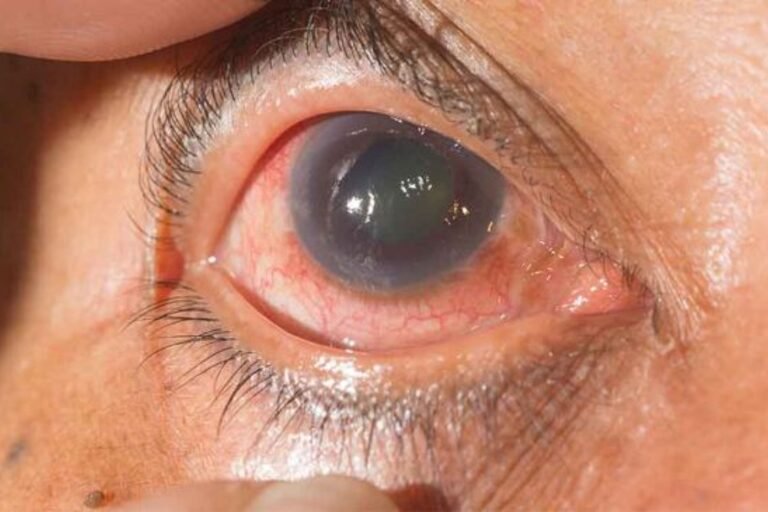
Glaucoma is a category of eye illnesses that damage the optic nerve, which is often caused by increasing pressure in the eye and can result in permanent vision loss if not discovered and treated promptly. It accounts for around 16.7% of total blindness in Nigeria. According to research, approximately 5% of Nigerians over the age of 40 are impacted.
To address the issue, the federal government has highlighted eye care services in the National Eye Health Strategic Development Plan (2024-2028). Integrated eye care services are being expanded throughout primary, secondary, and tertiary healthcare facilities to improve glaucoma detection and management.
The ministry has created Nigeria Glaucoma Guidelines and toolkits to standardize diagnosis, treatment, and referral protocols across the country.
Ophthalmologists from all 36 states and the FCT have been trained to establish state-level training programs.
Additionally, over 2,200 primary healthcare workers in 16 states have received training under the Better Vision 2.0 Effective Spectacle Coverage Initiative Nigeria to conduct basic vision screenings and refer patients.