



As Christians across Nigeria marked Easter, senior clerics used the occasion to deliver a scathing verdict on the country’s leadership, accusing politicians of failed promises and a troubling inability to protect lives.
Leading voices from the Catholic, Methodist and Anglican churches warned that continued insecurity, economic hardship and political excesses have eroded public trust, urging leaders to prioritise decisive action over ceremonial Easter goodwill messages.
The Catholic Bishop of Oyo Diocese, Most Rev. Emmanuel Badejo, criticised leaders who “promise and do not deliver,” questioning how Africa’s most populous nation has become “so wickedly helpless” amid rising violence.
He called on President Bola Tinubu to act with urgency, insisting Nigerians are exhausted by “empty promises, condolences and apologies.”
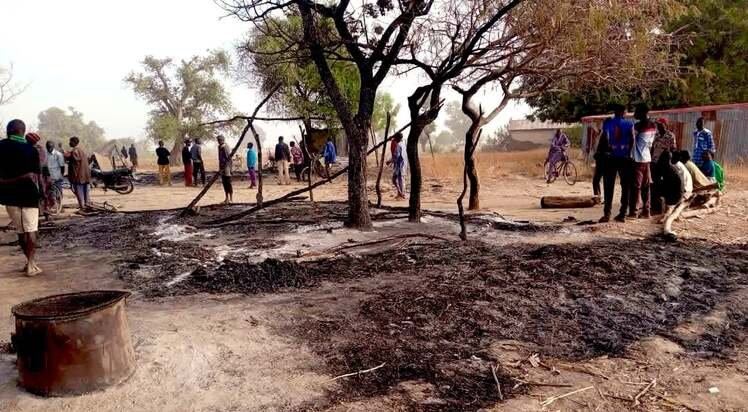
Referencing recent attacks in Jos, Kaduna and Zamfara, Badejo argued that leaders who fail to protect citizens cannot claim moral authority. He added that only concrete action to end killings not symbolic Easter greetings would be acceptable.
Similarly, Methodist Archbishop of Umuahia, Most Rev. Chibuzo Opoko, described Nigeria as “bleeding seriously,” warning that the country cannot celebrate Easter while lives are being lost daily.
He condemned what he called a disconnect between leaders and citizens, pointing to long convoys, reckless public spending and worsening poverty as signs of misplaced priorities.
According to him, corruption, nepotism and political greed have weakened governance, turning politics into a “do-or-die affair” while security is neglected.
Anglican Archbishop of Aba Province, Most Rev. Isaac Nwaobia, urged leaders to embrace sacrificial and people-centred leadership, stressing that no nation can thrive under fear.
He also criticised rising fuel prices, warning that they have worsened economic hardship and called for urgent policy review.
On his part, Archbishop of Onitsha, Most Rev. Valerian Okeke, highlighted widespread frustration over insecurity, unemployment and lawlessness, urging Nigerians to combine faith with action.
He emphasised that genuine faith must be reflected in integrity and responsibility, both in leadership and daily life.
Meanwhile, Anglican Bishop of Enugu Diocese, Rt. Rev. Samuel Ike, described Nigeria’s security situation as alarming, referencing its ranking among the world’s most terror-affected countries.
He questioned the effectiveness of government investments in security, including advanced military equipment, and criticised efforts to downplay the severity of the crisis internationally.
Ike also linked economic hardship to global tensions, noting that rising fuel costs continue to burden citizens despite Nigeria’s oil resources.
Across the board, the clerics agreed on one message: Easter symbolises hope, sacrifice and renewal but without decisive leadership and improved security, those ideals risk remaining out of reach for many Nigerians.