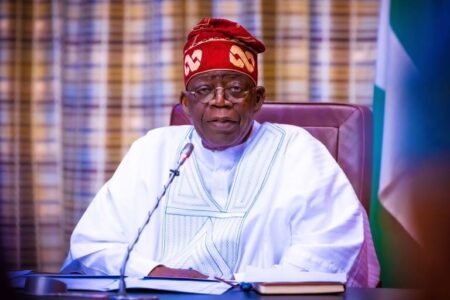



Olayemi Cardoso, governor of the Central Bank of Nigeria (CBN), says the country is set to play a central role in designing Africa’s future single-currency framework, following the African Union’s latest approvals on the African Monetary Institute (AMI).
On February 13, the executive council of the AU agreed to grant Nigeria a permanent seat on the board of the African Central Bank (ACB).
In a recent statement, Cardoso said the decision for Nigeria to host the African Monetary Institute (AMI) and, eventually, the African Central Bank (ACB) positions the country at the heart of Africa’s emerging monetary union and strengthens its influence in shaping the continent’s single-currency framework.
He described the development as a major step toward Africa’s long-term goal of financial sovereignty and deeper macroeconomic convergence.
“This historic decision marks a significant milestone in Africa’s financial integration journey and further emphasises Nigeria’s strategic role in shaping the continent’s evolving financial architecture,” Cardoso said.
The AMI serves as a precursor to the ACB and is tasked with laying the institutional and technical foundations for the proposed African single currency.
Cardoso said Nigeria’s role during the transitional phase places it at the heart of the governance structure that will define monetary cooperation across member states.
The economist said the achievement reflects Nigeria’s recent macroeconomic reforms and renewed focus on monetary stability.
“These efforts have led to improved monetary stability, external reserves management, banking supervision, and payment system modernisation,” he said.
“Overall, the results of these efforts are reaching new heights, as evidenced by Nigeria’s enhanced credibility and influence across the continent.”
The CBN governor said the apex bank would continue working with the African Union Commission, the Association of African Central Banks, and other member states to establish a solid institutional base for the ACB.
He thanked President Bola Tinubu for providing strategic direction, describing the development as both a national milestone and a boost to Africa’s integration agenda.
The African Central Bank, once formally established, is expected to anchor the continent’s monetary union project and coordinate policy toward the eventual introduction of a common currency.