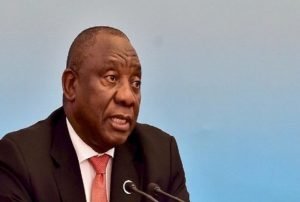





South African President Cyril Ramaphosa has won a legal battle to overturn a parliamentary report that raised the possibility of his impeachment over the controversial Phala Phala farm theft.
The Western Cape High Court on Wednesday, declared unlawful and set aside a 2022 parliamentary panel report which found that Ramaphosa might have committed serious misconduct in connection with the theft of foreign currency from his private farm.
The court also nullified all steps taken by the National Assembly based on the report, dealing a major setback to the impeachment process initiated over the allegations.
Delivering the unanimous judgment, Judge President Nolwazi Mabindla-Boqwana said the panel had misunderstood its mandate, exceeded its lawful authority and made several material errors of law.
The court ruled that the panel had applied the wrong legal test in assessing whether there was sufficient evidence to support allegations against the president.
It also found that the panel considered issues beyond the four allegations presented to Ramaphosa and relied on information that had not been properly established as evidence.
Background to the Phala Phala scandal
The controversy dates back to February 2020, when burglars reportedly stole about $580,000 from Ramaphosa’s Phala Phala game farm in Limpopo Province.
The money was allegedly concealed inside furniture at the property.
Former State Security Agency chief Arthur Fraser filed a criminal complaint in June 2022, alleging that Ramaphosa failed to properly report the burglary and instead used his presidential protection team to investigate the incident.
The president denied wrongdoing, maintaining that the money came from the sale of 20 buffaloes and that the burglary was reported to the police.
An independent parliamentary panel chaired by former Chief Justice Sandile Ngcobo subsequently concluded in November 2022 that there was prima facie evidence that Ramaphosa might have committed serious misconduct and violated the Constitution.
However, the National Assembly voted against initiating impeachment proceedings at the time.
How the impeachment process returned
In May 2026, South Africa’s Constitutional Court overturned Parliament’s earlier decision to reject the panel’s report and directed that it be referred to an impeachment committee.
The development revived efforts to investigate the allegations against Ramaphosa.
The president subsequently approached the Western Cape High Court to challenge the validity of the report.
He also secured an interim court order preventing the impeachment committee from holding public hearings pending the outcome of his legal challenge.
Wednesday’s judgment has now removed the report and parliamentary actions based on it.
However, the court emphasised that its decision did not mean a president could never face impeachment, stressing that any such process must be founded on lawful procedures.
The Presidency said Ramaphosa had taken note of the judgment and would study its contents.
Presidential spokesperson Vincent Magwenya said the president approached the court in exercise of his constitutional rights and would respect the judicial process.
The latest ruling marks a significant development in the long-running controversy, although its implications for any fresh impeachment proceedings remain to be determined.