


The Independent National Electoral Commission (INEC) has stated that it will not be able to carry out a thorough clean-up of the national voters’ register ahead of the 2027 general elections, pointing to time constraints and public opposition to its earlier plan to revalidate the register.
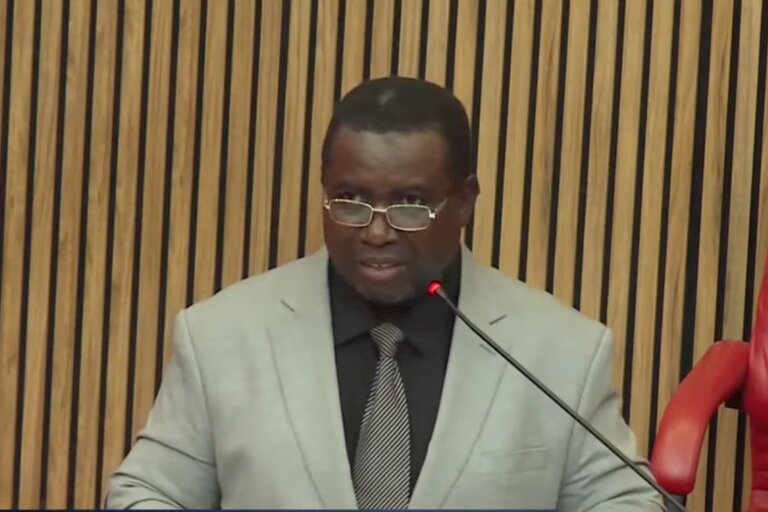
The commission’s chairman, Prof. Joash Amupitan, made this known during an appearance on a Bereke Family TV program broadcast on Friday.
Amupitan said the commission had originally proposed a six-month exercise to remove deceased persons, underage voters, incomplete registrations, and duplicate entries from the register but abandoned the plan following opposition.
His explanation comes amid controversy over alleged irregularities in the preliminary voter register, especially duplicate entries that attracted criticism on social media.
During the program, Amupitan said the commission had decided to delay the comprehensive exercise until after the 2027 elections, even though it was handling cases of multiple registrations following complaints from the public.
He stated that the commission discovered most complaints originated from the old register, which held records going as far back as 2011.
He said, “The complaint that came out on social media, those ones, majorly when we investigated further, we discovered it was the old register; the new one we have dealt with it. But the one that everybody is shouting about, complaining about duplication, was mostly from the old register.
“In February, we decided that the foundation of a good election is a valid voters’ register. Let us do the validation because people who have already died were still in the register, and many names were doubled.
“We said the process would only take six months. Let us clean up so that people can come and update their details, but Nigerians said no. So, we said we would do it after the election.”
Amupitan said the commission had intended to rely on enhanced technology to identify irregularities that previous registration systems failed to catch.
He added that the proposed exercise was also intended to tackle incomplete registrations and underage entries, in addition to removing deceased persons.
Amupitan, however, said that due to limited time, the commission could no longer complete the entire exercise before the next general elections.
He said INEC had instead gone back to addressing duplicate entries, particularly those reported by the public.
Amupitan said some cases were especially troubling, with the same individual appearing in the register with up to five different photographs.
He said, “We cannot do everything now; we have no time to do it, but we can do duplications; those ones they are flagging.
“Some of the cases involve five pictures of the same person. It is very ridiculous, truly, and we cannot close our eyes to it. We are doing that right now to ensure that the register is clean.”
Amupitan further revealed that the review had lowered the number of registered voters, and he added that the commission would publish the final register once the ongoing review was completed.
He stated that INEC had originally planned to release the final register on December 15 but was reconsidering the timeline following widespread complaints.