



Rising petrol prices are pushing more commercial transport operators in Nigeria towards Compressed Natural Gas (CNG) as they seek cheaper alternatives to keep their businesses running.
With petrol selling for between ₦1,340 and ₦1,400 per litre at some filling stations, transporters are increasingly embracing CNG to reduce operating expenses and cushion the impact of rising fuel costs.
The growing interest in CNG reflects the mounting financial pressure on commercial drivers since the Federal Government removed the petrol subsidy on May 29, 2023, triggering increases in fuel prices and transportation costs.
However, the shift towards gas-powered vehicles has also increased pressure on the country’s limited CNG refuelling infrastructure.
CNG offers cheaper alternative to petrol
CNG has emerged as a more affordable energy option for motorists struggling with the rising cost of petrol.
Previous investigations by TheCable found that some commercial drivers spend significantly less on gas than their counterparts using petrol.
In Lagos, a CNG-powered seven-seater bus driver reported spending about ₦5,000 daily on gas, compared with approximately ₦30,000 for a petrol-powered vehicle operating on a similar route.
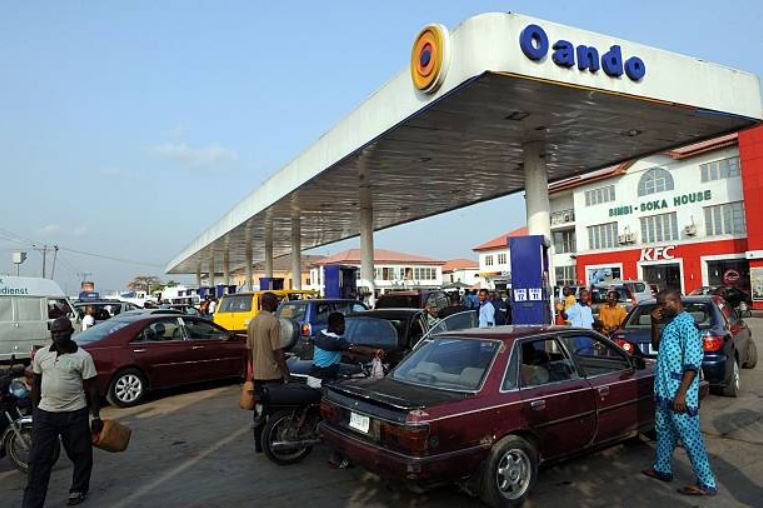
Despite the potential savings, limited refuelling stations and long queues remain major obstacles to wider adoption.
Transporters face challenges despite cheaper gas
The growing number of motorists switching to CNG has exposed gaps in the availability of refuelling facilities.
Drivers have complained about spending several hours at filling stations, losing valuable working time that could otherwise be used to transport passengers.
The cost of converting petrol-powered vehicles to CNG is another challenge, with some commercial drivers facing substantial expenses before they can benefit from cheaper gas.
Vehicle maintenance, spare parts and transport union charges also contribute to operating costs, making it difficult for drivers to reduce fares even when they spend less on fuel.
Government faces pressure to expand CNG infrastructure
The Federal Government has promoted CNG adoption as part of efforts to reduce transportation costs following the removal of the petrol subsidy.
President Bola Tinubu announced plans in August 2026 to roll out an additional 500 CNG refuelling stations nationwide, bringing the planned expansion to 1,000 stations.
The initiative is intended to improve access to cheaper fuel and enable transport operators to pass savings on to passengers through lower fares.
However, the growing queues at existing facilities highlight the need to expand refuelling infrastructure alongside the increasing number of CNG-powered vehicles.
For commercial transporters, cheaper gas offers a potential escape from rising petrol costs, but improved access remains essential if the transition is to deliver meaningful relief to drivers and passengers.