



The Federal Government has said it will soon publish a detailed breakdown of how savings from the removal of fuel subsidy have been spent, amid growing public concern over the impact of the reforms.
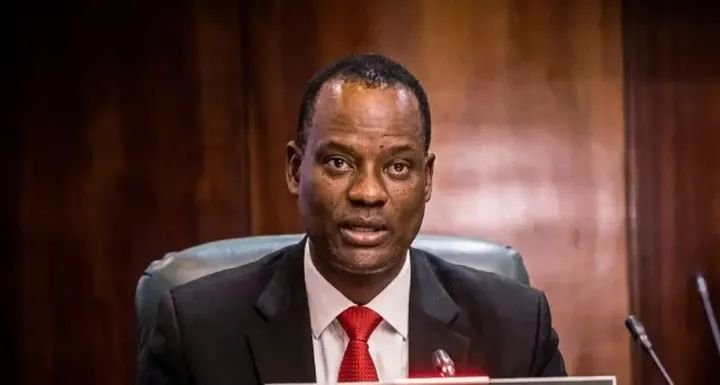
Speaking at the African Emerging Markets Forum in Abuja, the Minister of Finance and Coordinating Minister of the Economy, Taiwo Oyedele, said savings from the removal of fuel subsidies and foreign exchange market reforms had largely been absorbed by rising debt-servicing costs and increased government spending.
According to Oyedele, fuel subsidies and what he described as an implicit foreign exchange subsidy previously cost Nigeria about five per cent of its Gross Domestic Product (GDP) before the reforms were implemented.
He explained that a significant share of the savings had been used to service government debt, noting that borrowing costs had risen sharply from about eight per cent before the reforms to as much as 24 per cent.
The minister also said the Federal Government’s wage bill had nearly doubled following the increase in the national minimum wage from ₦30,000 to ₦70,000.
Oyedele added that government spending had also increased through the student loan programme, which now provides tuition support and monthly stipends to more than 1.5 million students.
“I’ve heard this question so many times, and guess what? It’s a valid question,” he said, referring to public demands for accountability over the subsidy savings.
Responding to a recent assessment by the International Monetary Fund (IMF), Oyedele disagreed with the view that millions of Nigerians remained in poverty despite the reforms. He argued that a temporary decline in real incomes was an unavoidable consequence of removing fuel subsidies.
He said the government would measure the success of its economic reforms using multidimensional poverty, real per-capita income growth and income inequality, rather than relying solely on headline GDP growth.
Oyedele assured Nigerians that the government would soon release details showing how the fuel subsidy savings have been utilised.