




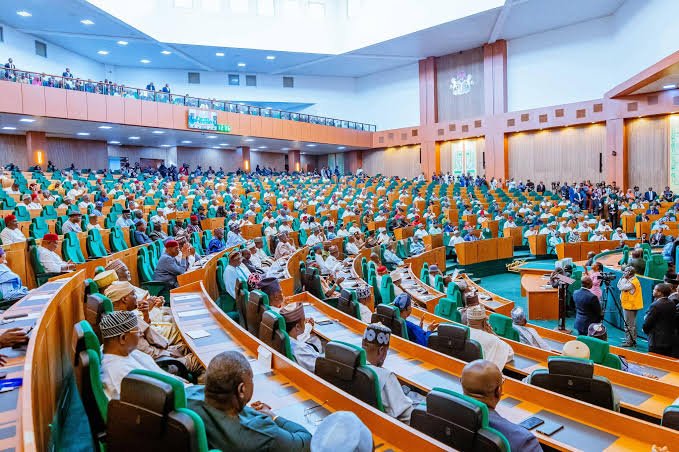
The House of Representatives has reversed its earlier approval of the proposed state police bill, paving the way for fresh consideration of a revised version submitted by President Bola Tinubu.
The decision was taken during Tuesday’s plenary after Francis Waive, Chairman of the House Committee on Rules and Business, moved a motion urging lawmakers to reconsider the legislation.
Waive explained that new issues had emerged regarding the bill’s provisions, making it necessary to review its clauses to ensure they align with Nigeria’s national security framework.
As part of the decision, the House rescinded its June 11 approval of the bill and dissolved the conference committee that had been set up to harmonise its version with that passed by the Senate.
The move followed the reading of a letter from President Bola Tinubu by Speaker Tajudeen Abbas.
In the correspondence, Tinubu asked lawmakers to consider the Constitution of the Federal Republic of Nigeria (Alteration) (State Police) Bill, 2026, which seeks to amend the 1999 Constitution to establish a constitutional framework for state police services.
The president said the proposal builds on the work already carried out by the House of Representatives while introducing additional safeguards to ensure a dual policing system can effectively address Nigeria’s evolving security challenges.
Tinubu described the legislation as a key part of his administration’s plan to reform the country’s security architecture and improve the protection of lives and property. He also urged the National Assembly to give the bill speedy consideration.
Following the letter, the House passed Tinubu’s version of the bill through its first and second readings.
The Senate had earlier passed the state police bill on June 24 after Senate President Godswill Akpabio read a similar request from the president.
Under Nigeria’s current Constitution, policing and other security services remain on the Exclusive Legislative List, placing them solely under the authority of the Federal Government.
The proposed amendment seeks to move policing to the Concurrent Legislative List, allowing both the National Assembly and state houses of assembly to make laws on policing and related security matters.
The bill also provides that while the National Assembly will set national standards and establish the legal framework for state police services, no state police outfit can begin operations unless it is established by a law passed by the relevant state assembly and certified to meet the prescribed national minimum standards.
If eventually approved by the House of Representatives, the constitutional amendment will be forwarded to the 36 state houses of assembly. At least 24 state legislatures must endorse it before it is transmitted to President Tinubu for assent.