



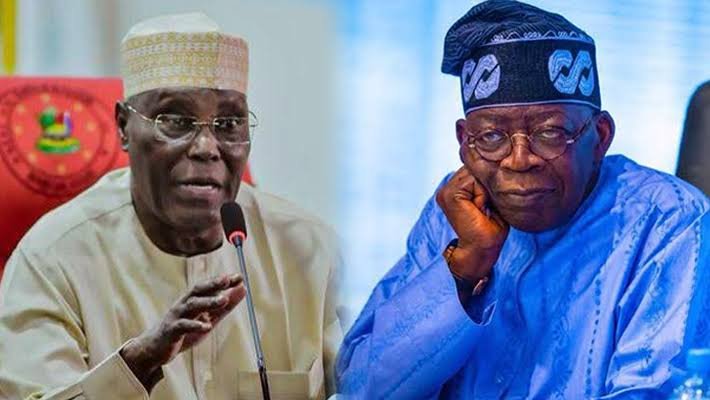
Nigeria’s opposition has raised fresh concerns over what it describes as a steady erosion of democratic space under President Bola Tinubu.
In a strongly worded statement, Phrank Shaibu, spokesperson to former Vice President Atiku Abubakar, alleged that the current administration is consolidating power in a way that threatens political competition.
Shaibu argued that with more than 30 state governors reportedly aligned with the ruling party, the expectation should be greater openness. Instead, he claimed Nigeria is witnessing increasing fear of opposition voices and electoral contests.
According to him, the government already benefits from major institutional advantages, including control of security agencies, access to national resources, and the power of incumbency, yet still shows what he described as “anxiety about the opposition.”
He stated that despite commanding the instruments of state power, the administration continues efforts to draw political heavyweights into its fold while appearing wary of public sentiment.
Shaibu also dismissed welfare-based political strategies, describing “stomach infrastructure” such as food distribution as inadequate for securing electoral legitimacy.
“Bags of rice and other relief items may offer temporary comfort, but they cannot replace public trust at the ballot box,” he said.
The statement further alleged that opposition parties are being weakened by internal crises, which he linked to inconsistent judicial interpretations and conflicting court rulings.
Concerns were also raised about electoral processes, with claims that certain administrative actions have fuelled perceptions of bias in favour of the ruling party.
Shaibu criticised the alleged use of detention orders against opposition figures, warning that such moves could undermine democratic freedoms.
He referenced prominent political figures including Rotimi Amaechi, Peter Obi, Rabiu Kwankwaso, Abubakar Malami, Nasir El-Rufai, David Mark, and Rauf Aregbesola as actors operating within what he described as a tightening political space.
He warned that a system where one party dominates while opposition structures weaken risks drifting into a de facto one-party state.
Reaffirming Atiku’s stance, Shaibu said leadership must emerge through the will of the people, not institutional pressure or manipulation.
“As 2027 approaches, the question is clear: why does a government with such vast control still appear uneasy about a free and fair election?” he asked.
He urged Nigerians to remain vigilant, stressing that accountability and political competition are essential for the country’s democratic future.