

A coalition of civil society organisations (CSOs) has warned that Nigeria is “on the brink of collapse”, citing rising insecurity, deepening poverty and a widening governance crisis.
In a joint statement signed by more than 50 groups, including ActionAid Nigeria, Amnesty International Nigeria, BudgIT Foundation, the Centre for Democracy and Development (CDD), Media Rights Agenda (MRA), the Socio-Economic Rights and Accountability Project (SERAP), and Yiaga Africa — the coalition called for urgent reforms to address what it described as a worsening national emergency.
The organisations said millions of Nigerians are facing severe hardship while political leaders remain focused on rhetoric rather than solutions. According to the statement, insecurity, economic strain and inequality have continued to deteriorate despite a surge in government revenues.
Recent policy changes such as fuel subsidy removal, naira floatation and increased borrowing have significantly boosted public finances, with federal budgets exceeding N100 trillion in the past two years. However, the coalition argued that these gains have failed to improve the living conditions of ordinary citizens.
“Public services falter, inequality grows, and ordinary citizens become poorer while politicians get richer from larger allocations,” the group said.
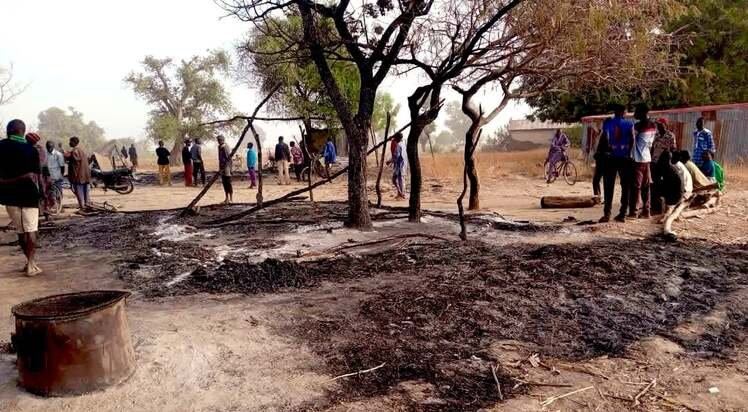
The coalition identified insecurity as one of the most urgent threats, highlighting widespread killings, abductions and displacement, particularly across the north and middle belt. It noted that banditry has disrupted farming, worsened food shortages and driven inflation, leaving households increasingly vulnerable.
Kidnapping, the group added, has evolved into a “nationwide industry”, affecting both rural and urban communities.
On governance, the organisations warned of a shrinking civic space, alleging that journalists and activists face harassment while dissenting voices are increasingly suppressed. They also pointed to persistent corruption, arguing that public infrastructure and social services do not reflect increased government spending.
The coalition further raised alarm over threats to democracy ahead of the 2027 elections, citing weak institutions, political interference and the growing influence of illicit funds in politics. It also expressed concern about declining public trust in the judiciary due to delays and perceived external influence.
The groups urged the federal government to ensure that increased revenues translate into tangible benefits such as job creation, affordable food and improved healthcare.
They also called for stronger security coordination, enhanced intelligence gathering and better protection for vulnerable communities. In addition, they demanded tougher anti-corruption measures, including transparent public spending and swift prosecution of offenders.
To safeguard democracy, the coalition called for reforms to protect civic freedoms, strengthen institutions and guarantee credible elections in 2027. It also urged the government to uphold judicial independence and improve access to justice.
“Nigerians are paying the price of political excesses. Leadership cannot continue politicking while the nation bleeds,” the statement read.
“Every naira of public money must be felt in the life of the ordinary citizen; anything less is betrayal.”
The coalition said it stands with citizens facing hardship and called for immediate action to restore trust, improve governance and stabilise the country.