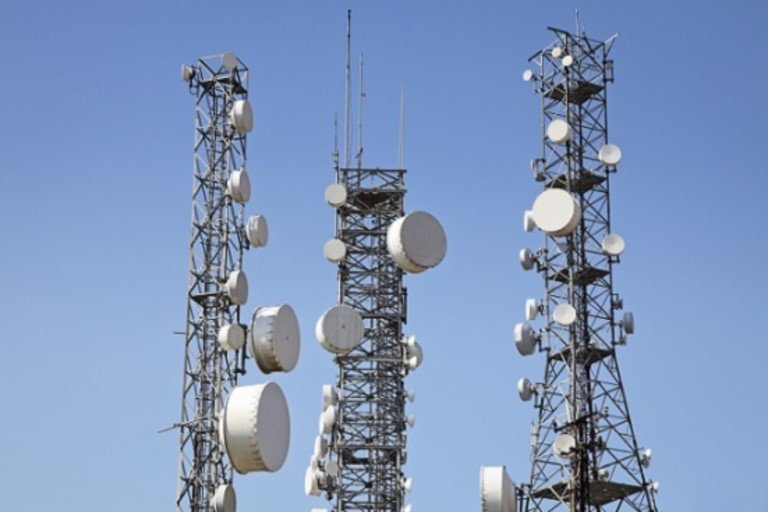


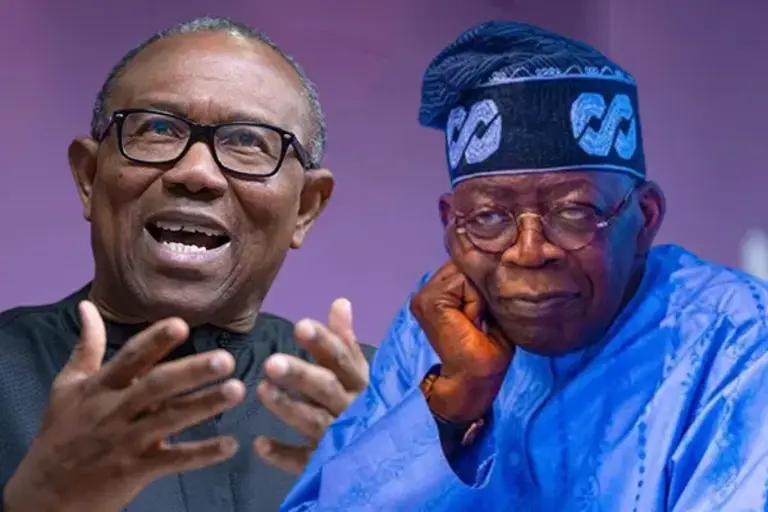
African Democratic Chieftain (ADC), Peter Obi has raised fresh concerns over the Federal Government’s repeated approval of trillions of naira to settle debts in Nigeria’s struggling power sector.
In a statement posted on his official X account on Tuesday, Obi questioned the rationale behind the reported approval of ₦3.3 trillion as a “full and final” payment for power sector liabilities, noting that similar approvals had been made in the past without visible results.
He pointed out that on May 17, 2024, the government approved ₦3.3 trillion for the same purpose, followed by a ₦4 trillion bond approval on July 25, 2024, alongside other interventions aimed at addressing the sector’s mounting debts.
According to him, the repeated approvals raise concerns about whether earlier announcements were actually implemented.
Obi said the development calls into question accountability and transparency in public financial management, especially as the debts were largely accumulated during the administration of Bola Ahmed Tinubu and previous governments under the All Progressives Congress.
He also expressed concern over reports that government institutions, including the Presidential Villa, are among those owing electricity debts, despite yearly budgetary allocations.
The former Anambra State governor queried the source of funding for the latest ₦3.3 trillion payment, asking whether Nigeria would resort to further borrowing to settle recurring liabilities.
He listed several unanswered questions, including how the debts were accumulated, the actual size of the total obligation, and the extent to which inefficiencies by power operators contributed to the crisis.
Obi further questioned whether the latest approval is separate from or connected to previous ones, and who ultimately benefits from the repeated payments.
He recalled that during the 2023 election campaign, President Tinubu promised improved electricity supply, noting that Nigerians are yet to see significant progress.
Obi stressed that Nigeria must move beyond policy announcements and adopt transparent, measurable reforms to address the country’s persistent electricity challenges.
He warned that without accountability and discipline, the nation risks remaining trapped in a cycle of debt and poor power supply.