




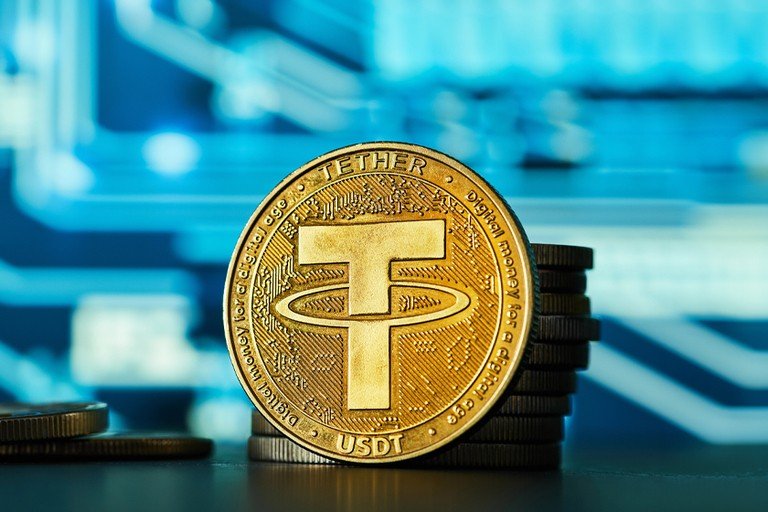
Nigeria has ranked first globally in the ownership of the two largest stablecoins, Tether (USDT) and USD Coin (USDC) underlining the country’s growing reliance on dollar-linked digital assets.
Stablecoins such as USDT and USDC are pegged to the US dollar, allowing users to store value digitally without being exposed to the sharp volatility often associated with cryptocurrencies like Bitcoin.
According to the 2026 Stablecoin Utility Report by BVNK, about 59 percent of Nigerian crypto users hold USDT, while 48 percent own USDC, giving the country the highest combined ownership level among all nations surveyed.
The report placed Nigeria ahead of several major economies, including Australia and India, highlighting the rapid adoption of dollar-denominated digital assets in the country.
Australia ranked second, with 34 percent of users holding USDT and 29 percent owning USDC, while India came third with 30 percent USDT ownership and 27 percent USDC holdings.
Other countries featured in the ranking include Colombia, where 25 percent of users hold USDT and 29 percent USDC, and Singapore with 29 percent USDT and 24 percent USDC ownership.
In South Africa, the report showed 23 percent of users hold USDT while 29 percent hold USDC. The United States recorded 22 percent USDT ownership and 26 percent USDC.
Other markets include the Philippines with 27 percent USDT and 20 percent USDC, Thailand with 25 percent and 21 percent, and Argentina with 25 percent and 20 percent respectively.
Among European economies, France recorded 21 percent USDT ownership and 14 percent USDC, while Germany reported 15 percent USDT and 17 percent USDC.
In Latin America, Mexico showed 16 percent ownership for both USDT and USDC, while Brazil recorded 14 percent USDT and 16 percent USDC. The United Kingdom reported 16 percent USDT ownership and 14 percent USDC.
The report noted that USDT ownership exceeds USDC in several countries, including Nigeria, Australia, India, Singapore, the Philippines, Thailand, Argentina and France.
However, USDC is often regarded as a more compliance-focused stablecoin due to its transparency standards and closer regulatory alignment.
For instance, USDC ownership in South Africa and Colombia stands at 29 percent, compared with 23 percent and 25 percent for USDT respectively. In Germany and Brazil, USDC also edges ahead of USDT in adoption.
Overall, the report shows that stablecoin adoption is largely driven by emerging markets, where users increasingly turn to dollar-pegged digital assets to protect savings and enable cross-border payments.
Countries such as Argentina, Nigeria and the Philippines are among the leading adopters, reflecting how digital dollar alternatives are gaining traction in economies facing currency volatility and payment barriers.