




President Bola Tinubu has approved a one-year extension of the ban on the export of raw shea nuts, now running from February 26, 2026, to February 25, 2027.
The decision reinforces the administration’s commitment to industrial development, domestic value addition, and the objectives of the Renewed Hope Agenda.
The ban aims to increase local processing, support livelihoods in shea-producing communities, and grow Nigeria’s export of value-added products.
To achieve these goals, Tinubu directed the Federal Ministry of Industry, Trade and Investment and the Presidential Food Security Coordination Unit (PFSCU) to implement a unified, evidence-based national framework linking industrialisation, trade, and investment across the shea nut value chain.
He also approved the adoption of an export framework by the Nigerian Commodity Exchange (NCX) and withdrew all waivers for direct raw shea nut exports. Any excess supply must now be exported exclusively through the NCX framework.
Additionally, the Federal Ministry of Finance will provide access to a dedicated NESS Support Window to pilot a Livelihood Finance Mechanism, aimed at strengthening production and processing capacity.
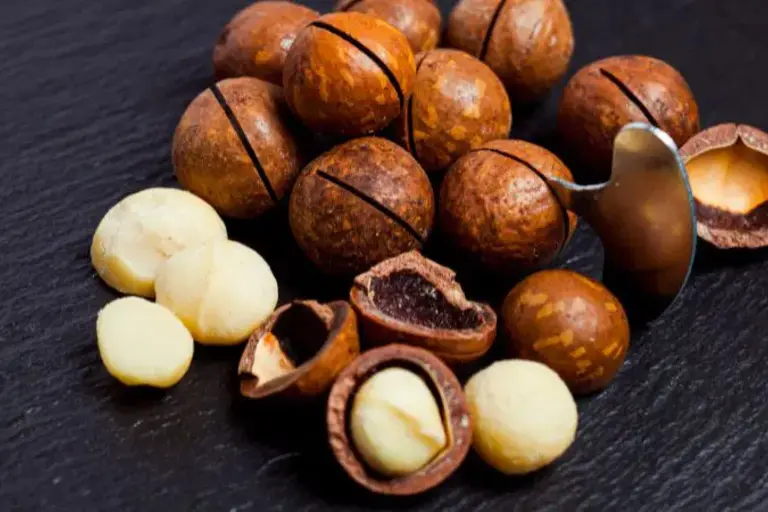
Shea nuts, oil-rich fruits from Nigeria’s Savanna belt, are the raw material for shea butter, widely used in cosmetics and as an edible oil. Processing shea nuts locally is highly profitable, as butter sells for 10 to 20 times the price of raw nuts.
The Federal Government remains committed to policies promoting inclusive growth, local manufacturing, and positioning Nigeria competitively in global agricultural value chains.