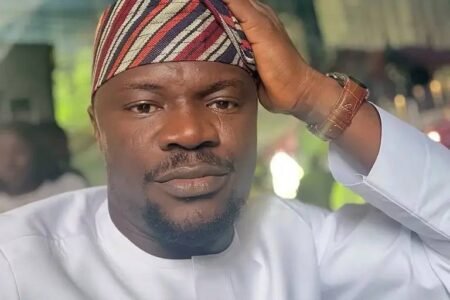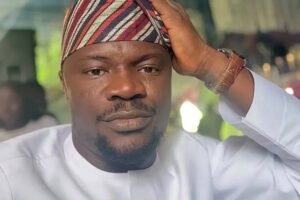
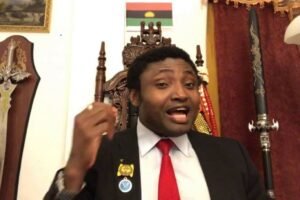




Former Kogi West senator Dino Melaye has amplified an open letter urging King Charles III to cancel any proposed President Bola Tinubu United Kingdom (UK) state visit.
Melaye shared the letter on his verified X account, drawing fresh attention to mounting criticism of Tinubu amid Nigeria’s political and economic turmoil.
The letter, written by Nigerian political scientist Kio Amachree, called for the immediate cancellation or postponement of any state visit, formal invitation or ceremonial reception involving Tinubu in the United Kingdom.
In the strongly worded appeal, the author argued that Nigeria is facing deep instability, citing insecurity, terrorism, kidnappings, economic hardship and growing political distrust ahead of the 2027 elections.
He warned that hosting Tinubu at the highest ceremonial level would be seen by many Nigerians as Britain conferring legitimacy on a presidency that remains controversial at home.
The letter claimed Nigeria is experiencing declining public confidence in democratic institutions and increasing ethnic and regional tensions.
The author referenced long standing allegations of corruption, disputes surrounding Tinubu’s academic records and concerns about political funding. He further alleged that powerful interests may seek to manipulate the 2027 electoral process.
According to the letter, a state visit would be interpreted domestically as endorsement of the administration at a time when many citizens are grappling with inflation, unemployment and insecurity.
The appeal argued that inviting the Nigerian president to Britain amid economic hardship would be viewed as morally insensitive and politically provocative.
Melaye’s decision to publicise the letter has sparked debate online, with supporters describing it as a necessary intervention and critics dismissing it as political grandstanding.
Neither Buckingham Palace nor the Nigerian presidency has issued an official response to the claims at the time of filing this report.
The controversy adds another layer of diplomatic tension to Nigeria’s relationship with UK as scrutiny intensifies over governance and electoral integrity ahead of 2027.