




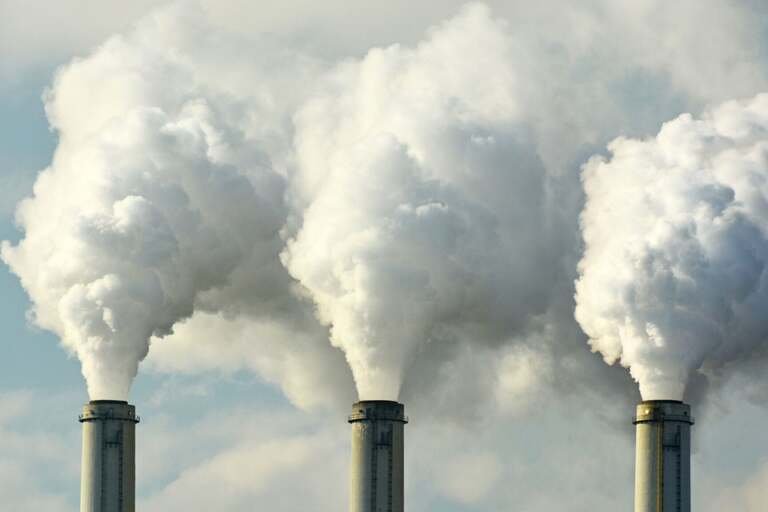
The Federal Government has raised serious concern over a sharp rise in respiratory, cardiovascular and other environment-related diseases across Nigeria, linking the growing health burden to increased greenhouse gas emissions.
Speaking on Monday in Abuja at a stakeholders’ engagement on the National Emergency Response to Environment-Related Diseases Arising from Greenhouse Gas Emissions, the minister of environment, Balarabe Lawal, warned that the crisis has moved beyond environmental degradation into a full-blown public health emergency.
Lawal, who was represented by the ministry’s permanent secretary, Mahmud Kambari, said environmental surveillance, health data and peer assessments show a disturbing increase in illnesses associated with poor environmental quality.
“Respiratory illnesses, cardiovascular conditions, and other environmentally linked diseases are rising. What we are facing today is no longer solely an environmental issue but a public health emergency,” he said.
According to the minister, the burden of disease linked to environmental pollution is growing faster than Nigeria’s health system can cope with, placing additional strain on families and the economy.
“Families are spending more on treatment, workforce productivity is declining, and environmental degradation continues to undermine our development goals,” Lawal added.
He attributed the worsening situation to the absence of a coordinated national framework to address health risks arising from greenhouse gas emissions.
To tackle the challenge, the federal government has activated the National Emergency Response Initiative on Environmental Public Health Impacts of Greenhouse Gas Emissions (NERI-EPHIGGE).
The initiative is designed to deliver both immediate and long-term solutions, including stronger environmental regulations, nationwide environmental health surveillance units, cleaner energy adoption, sustainable industrial practices, low-emission transport systems and increased public awareness.
Lawal described the initiative as a strategic national framework aimed at reducing environmental health risks and improving population health outcomes.
He stressed that addressing the crisis requires collective action from government agencies, regulators, industry players, and stakeholders in the transport and energy sectors.
“The cost of inaction is greater than the cost of intervention. The science is clear, the health evidence is undeniable, the risks are immediate, and the time to act is now,” he said.
The minister also commended the Environmental Health Council of Nigeria (EHCON), which organised the engagement, describing it as timely and critical.
He noted that while Nigeria’s rapid urbanisation, industrial growth, rising energy demand and expanding transport systems signal economic progress, they have also led to a troubling increase in greenhouse gas emissions with serious health consequences.