

Christmas Day airstrikes in northwest Nigeria targeted militants linked to the Islamic State Sahel Province (ISSP), a senior US Africa Command official has said. Lieutenant General John Brennan told AFP that the operations struck areas used as staging points by armed groups operating across the Sahel, based on intelligence provided by Nigerian authorities.
“The most recent information we received from the Nigerians was that it was ISIS Sahel-related,” Brennan said on the sidelines of a US–Nigeria security meeting. Analysts have expressed concern about ISSP’s potential expansion from the Sahel into coastal West African countries, including Nigeria.
President Donald Trump confirmed the strikes, describing them as “powerful and deadly” and suggesting he ordered the operation as a “Christmas present,” a claim that contrasts with Nigerian government statements. Nigerian officials described the operation as a “joint effort,” noting that it involved prior planning and intelligence sharing.
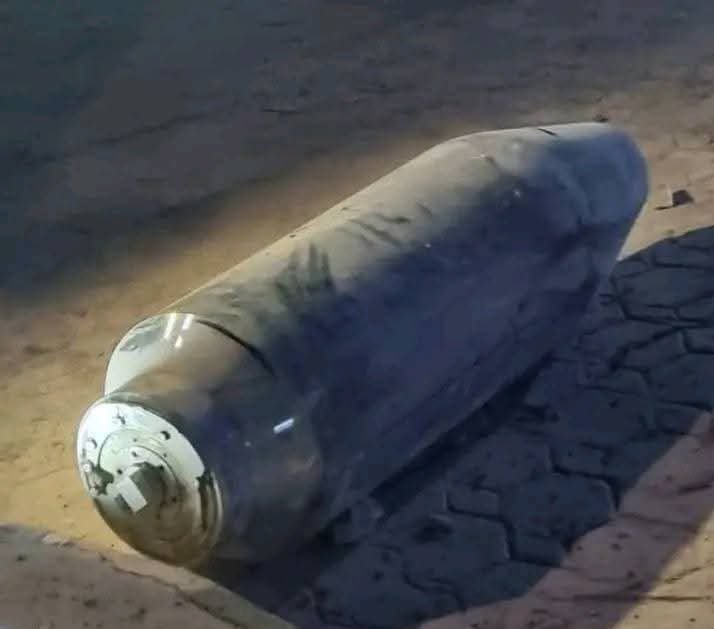
Nigeria’s Foreign Minister, Yusuf Maitama Tuggar, said the strikes were not linked to Christmas or any religious observance and emphasised that the operation had the “full involvement of the armed forces of Nigeria.” Some missile debris reportedly landed in the villages of Jabo in Sokoto State and Offa in Kwara State, but no civilian casualties were reported.
Local residents in Jabo said they saw a fireball streak across the sky on the night of the strikes, with debris landing in nearby fields.
“We live peacefully, and there is no conflict between us and Christians,” said eyewitness Umar Jabo. Other residents said they had seen no evidence of casualties among militants.
The strikes targeted camps operated by a smaller group locally known as Lakurawa, which Nigerian authorities say is linked to jihadist networks in Mali and Niger.
The group has reportedly settled in border communities, recruited youths, and imposed strict controls on local populations. Residents in Tangaza, where most of the camps were located, said the group restricted daily activities and enforced harsh punishments.
US Defence Secretary Pete Hegseth thanked Nigeria for its cooperation, while the Pentagon released footage appearing to show a missile launch from a vessel in the Gulf of Guinea. US officials said assessments of the strikes are ongoing and that further operations may be possible in collaboration with Nigeria.
Nigeria, Africa’s most populous country, has faced jihadist violence for more than a decade, particularly in the northeast from Boko Haram and IS-linked factions. Recent reports suggest militants are now attempting to establish new bases in northwest states, a shift that has prompted both local and international responses.
Residents near the strike sites have expressed concern. “I’m hopeful and pray to God this doesn’t happen again,” said Mohammed Abubakar, a herder from Zamfara State who visited Jabo after the strikes. Others noted that while militants may have fled, the impact of the operation on farmland and livestock has already been felt.