

Confusion has gripped Nigerians following the United States’ suspension of new tourist, student, and exchange visa applications as part of its latest update to travel restrictions.
The suspension covers both immigrant and non-immigrant visas, including B-1, B-2, B-1/B-2, F, M, and J categories — routes most commonly used by Nigerians — despite data showing relatively low visa overstay rates.
B visas are issued to temporary visitors for business (B-1) or tourism (B-2); F and M visas are for students (academic and vocational); while J visas are for exchange visitors.
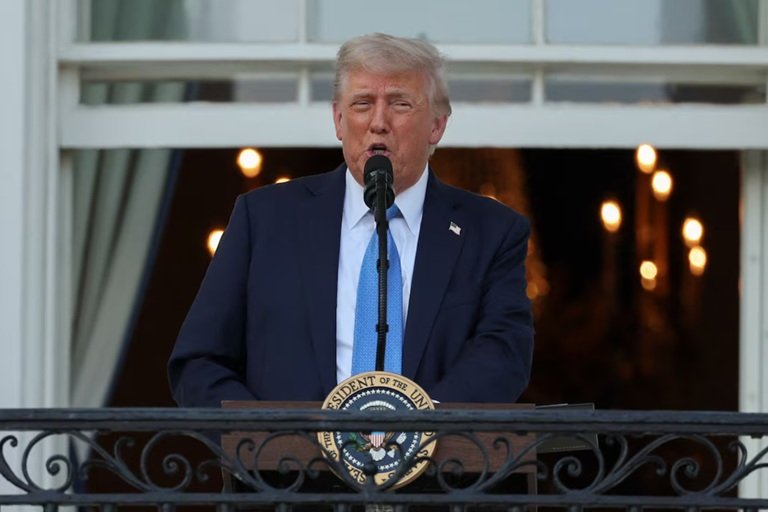
President Donald Trump signed the proclamation on Tuesday.
“The entry into the United States of nationals of Nigeria as immigrants, and as nonimmigrants on B-1, B-2, B-1/B-2, F, M, and J visas, is hereby suspended,” Trump said.
The president also directed consular officers to reduce the validity of any other non-immigrant visa issued to Nigerian nationals, to the extent permitted by law.
Reasons were provided for the partial travel restriction imposed on 15 countries, including Nigeria.
“The free operation of radical Islamic terrorist groups such as Boko Haram and the Islamic State in certain parts of the country” was cited as the primary reason for the restriction.
According to the White House, the situation has created “substantial screening and vetting difficulties”.
The White House also cited an overstay rate of 5.56 percent for the B-1/B-2 visa category and 11.90 percent for F, M, and J visas as justification for the partial suspension.
However, the proclamation clarified that the directive does not apply to lawful permanent residents of the United States. It also excludes foreign nationals who already possess a valid visa on the effective date of the proclamation.
Athletes, dual citizens of countries not previously restricted, and US government employees were also exempted.
The US Embassy in Abuja has been contacted for clarification.
In July, the embassy announced a reduction in the validity period and entry allowance for “most” non-immigrant and non-diplomatic visas issued to Nigerians, effectively limiting their stay in the US to three months with a single entry.
An alleged imbalance in visa reciprocity from Nigeria was cited as the reason for the stringent measure.
Although the restrictions were initially applied to several countries, including Ghana, the measures were later lifted for Ghana, while Nigeria’s remain in effect.