

Nigeria is rapidly becoming one of the most dangerous places on Earth to follow Christ, the US House Appropriations Committee said in an X post on Sunday, stressing that the United States cannot ignore the crisis.
The post comes on the heels of a recent joint briefing convened by members of the US House Appropriations Committee and the House Foreign Affairs Committee, which renewed scrutiny of Nigeria’s security response to ongoing violence affecting communities across several states.
The session, held on 2 December and led by House Appropriations Vice Chair Mario Díaz-Balart, followed President Donald Trump’s 31 October directive instructing the committee to investigate killings and abductions in parts of Nigeria and provide a report to the White House.
Lawmakers received briefings from security, foreign policy, and religious freedom experts outlining recent large-scale attacks, including the abduction of 303 children and 12 teachers from St. Mary’s School in Niger State on 22 November, and separate attacks on worship centres in Kwara, Zamfara, and Katsina states.
Díaz-Balart said the committee would continue examining how US policy tools could support stability. “No one should live in fear because of how they worship,” he said. “I remain committed to advancing policies that protect the freedom to live according to one’s faith without fear of violence and retribution.”
Rep. Robert Aderholt said the pattern of attacks required closer attention from US lawmakers. “The rising violence and targeted persecution of Christians in Nigeria is a crisis that can’t be ignored,” he said, adding that Congress would ensure the president receives the information needed “to confront this growing tragedy.”
Rep. Riley Moore stressed that concerns raised by witnesses highlight the need for sustained oversight. “Our brothers and sisters in Christ are being persecuted and slaughtered in Nigeria simply for professing their faith,” he said.
House Foreign Affairs Committee Chairman Brian Mast argued that the violence has often been mischaracterised. “This is not merely ‘inter-communal violence’ or a ‘resource conflict,’ as many claim. This is a targeted campaign of religious cleansing,” he said.
Africa Subcommittee Chairman Chris Smith said the frequency and scale of attacks point to systemic failures. “The Nigerian government has a fundamental, constitutional obligation to protect its citizens; however, the perpetrators of this persecution operate with complete impunity,” he said.
US Commission on International Religious Freedom Chair Vicky Hartzler told lawmakers that recent incidents show an escalation. “Religious freedom in Nigeria has been under siege in 2025, and, unfortunately, it seems to be getting worse,” she said, noting that both Christians and Muslims have been victims of violent attacks. She urged the US to work with Nigeria to “vastly improve its accountability and transparency” and ensure security assistance is better targeted.
Alliance Defending Freedom International’s Sean Nelson described accounts from victims his organisation has worked with. “Christians are defenceless against these religiously motivated attacks, and the government has regularly failed to protect them,” he said.
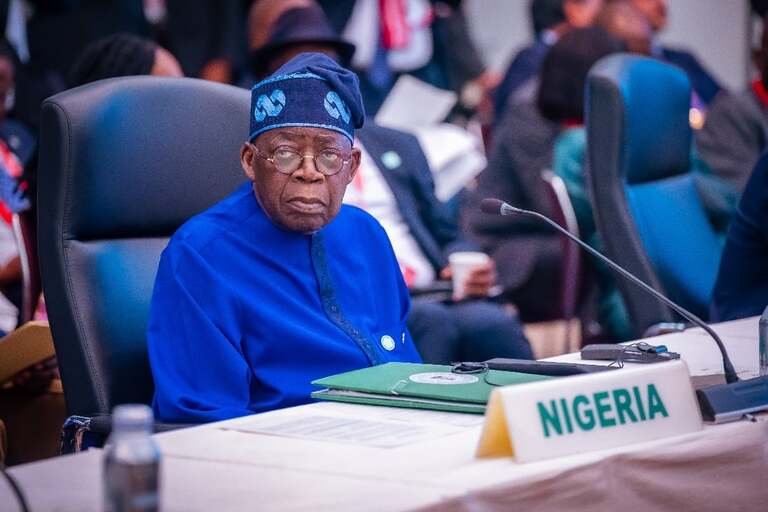
Council on Foreign Relations senior fellow Ebenezer Obadare linked the situation to the threat posed by jihadist groups, particularly Boko Haram. He said eliminating Boko Haram must be central to any solution. He noted that after Nigeria’s CPC designation and Trump’s threat of unilateral military action, President Tinubu ordered airstrikes, recruited 30,000 additional policemen, and declared a national security emergency. “Washington must keep up the pressure,” he said.
Obadare added that the US should also press Tinubu to make Sharia law unconstitutional in the 12 northern states where it is implemented and disband Hisbah groups enforcing Islamic law.
The House Appropriations Committee said it would continue working with the Trump administration as it prepares its report on recommended US actions and policy responses.